
Last fall, I cleared out a small space in my backyard and planted three different pairs of flowering grasses and shrubs. Each of the pairs of identical plants were the same size and came from the same nursery. Fast forward to this spring and the plants are doing beautifully. Their flowers are in full bloom. Except for one plant.
While her twin sister has doubled in size and looks poised to keep growing and expanding, this one little plant just never took off. Spaced two feet apart in the same patch of soil, both plants received equal amounts of water, sun and fertilizing. But one is thriving, and the other is hanging on by a thread.
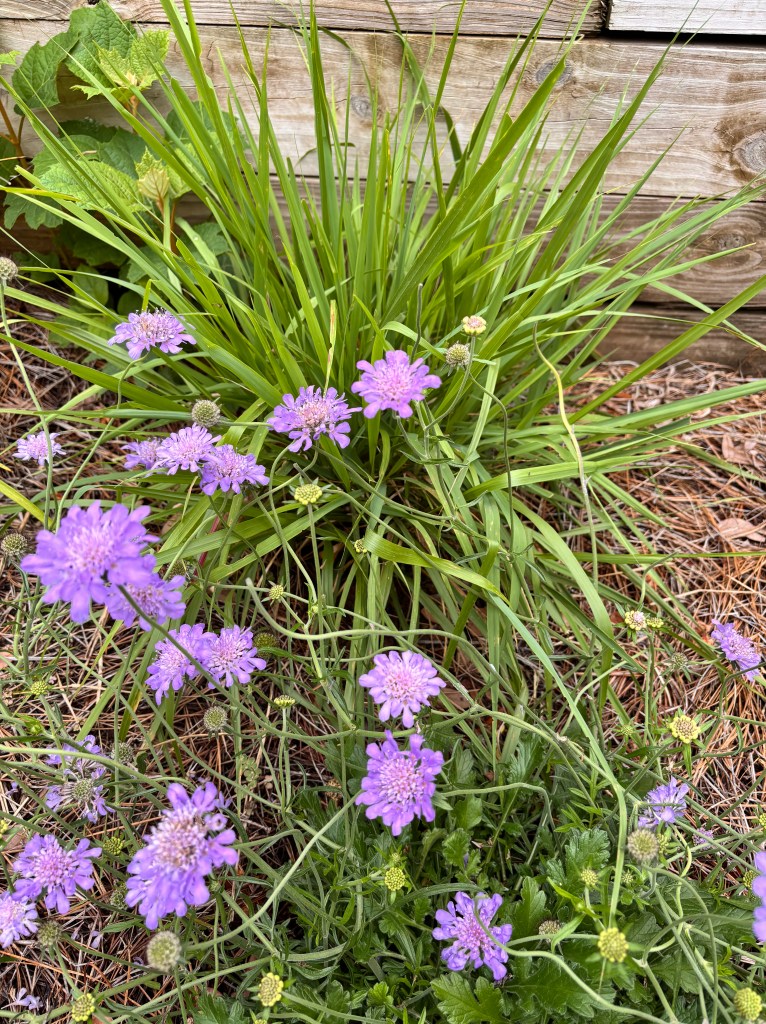
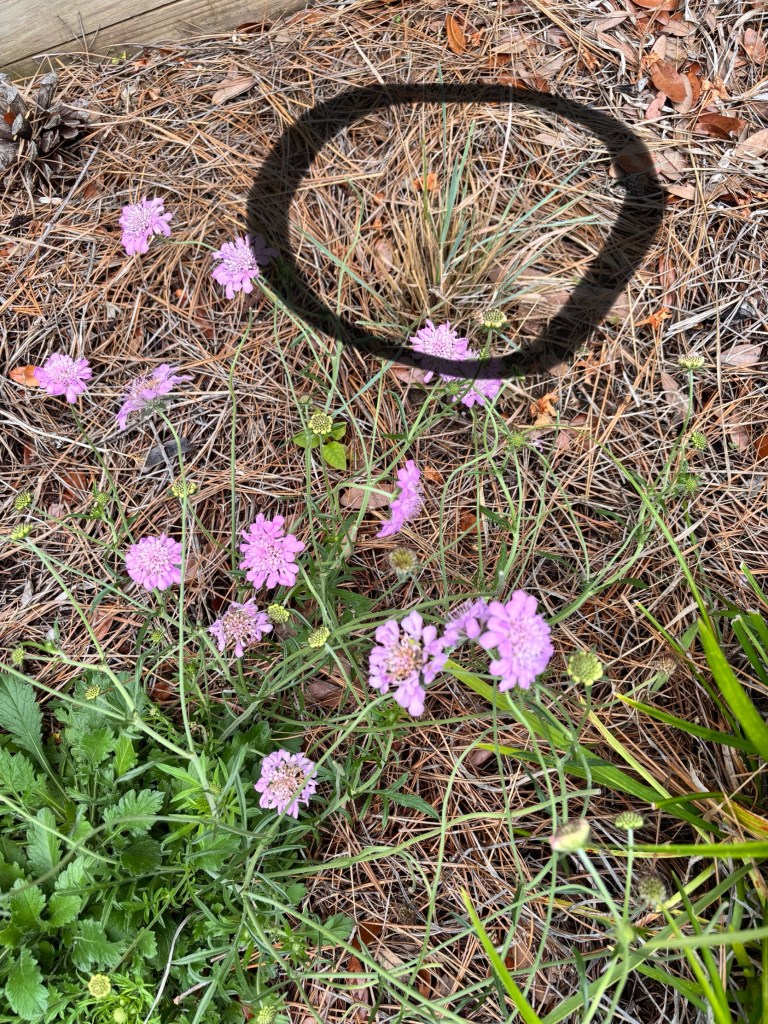
How can two plants of the exact same species, planted next to one another in the same dirt, receiving the same care and environmental support follow such different growth trajectories? Is something genetically wrong with my little struggler? Or is the problem something I can’t see, down below in the dirt?
Maybe there is a rock blocking the plant’s roots, preventing them from expanding to reach the water and nutrients it needs? Or maybe I didn’t remove all of the roots from the oak leaf hydrangea that used to inhabit this space, and my struggler is exhausted from competing for resources?
As I contemplated whether there was anything I could do to rouse my underperforming plant, I was reminded of a fascinating study conducted by Dr. Vincent Felitti of the Kaiser Permanente Medical Care Program with Dr. Robert Anda at the Centers for Disease Control.
These two physicians oversaw a long-term, in-depth analysis of over 17,000 adults that ultimately proved the powerful relationship between our emotional experiences as children and our physical and mental health as adults. The results of their work – the “Adverse Childhood Experience (ACE) Study” – was a groundbreaking step forward in understanding the causes of some physical and behavioral health problems in adults.
The back story: In 1985, Dr. Felitti ran an Obesity Clinic in Kaiser Permanente’s Department of Preventive Medicine in San Diego, California. Baffled that more than fifty percent of the people enrolled in his clinic dropped out every year, he began asking his patients questions to learn what was going wrong. The responses he received were startling, and inspired him to launch a more formal survey and research project.
The initial surveys began in 1995 and continued through 1997. The participants were followed for more than fifteen years after that. The findings revealed by the data were dramatic:
- There is a direct link between childhood trauma and adult onset of chronic disease, as well as mental illness, doing time in prison, and work habit, such as absenteeism.
- About two-thirds of the adults in the study had experienced one or more types of adverse childhood experiences. Of those, 87 percent had experienced two or more types.
- More adverse childhood experiences resulted in a higher risk of medical, mental and social problems as an adults.
These survey results provided powerful insights that help explain why some adults struggle more than others with self-destructive behaviors that compromise their health, their social relationships and their mental well-being.
As part of my work in child welfare, I once had the privilege of attending a lecture by Dr. Felitti on how the ACE study came about. I will never forget the story he told of a woman who had lost and gained 100 pounds at least six different times. In sharing her personal story of sexual abuse by a trusted family member, she explained that obesity was the strategy she had adopted to prevent any future abuse from happening. “Overweight is overlooked and that is what I need to be,” she said.
Hearing this and other similar stories from his patients, Dr. Felitti was struck – and he realized that the problem he had been trying to solve for the patients in his Obesity Clinic was often the solution they had developed to solve a problem he couldn’t see.
Like my struggling plant, the real solution for these patients was hiding beneath the surface, down in the dirt. The presenting problem was actually a symptom of something far more complex.
So perhaps the best thing I can do for my plant is move it to a more nurturing environment and give it another chance to thrive. There is probably nothing inherently wrong with it – it just needs a place to grow that is free from the obstacles that have held it back up to this point. (I hope to share photos of my little plant’s progress in a later blog post!)
And the next time I am tempted to judge someone for what I view to be an unhealthy lifestyle, I will try to practice grace and compassion and remember that for all of us, there’s a lot of stuff going on down in the dirt that explains what is visible above ground.
“The words of the reckless pierce like swords but the tongue of the wise brings healing.”
Proverbs 12:18


 Glean Daily
Please share your own gleanings!