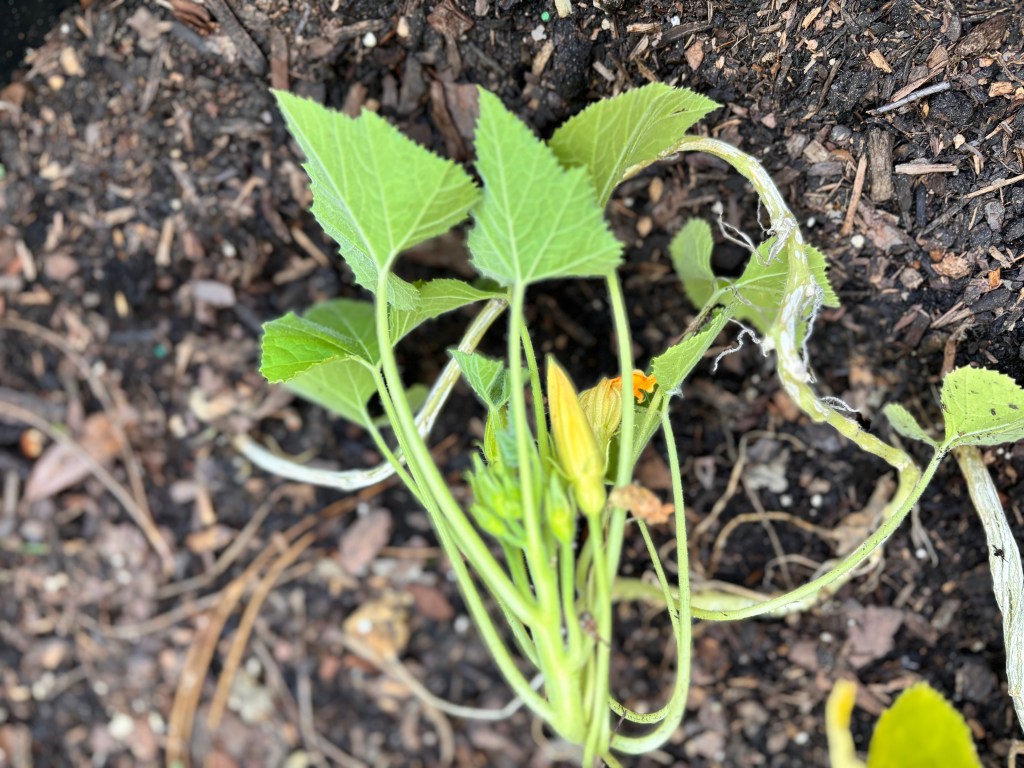
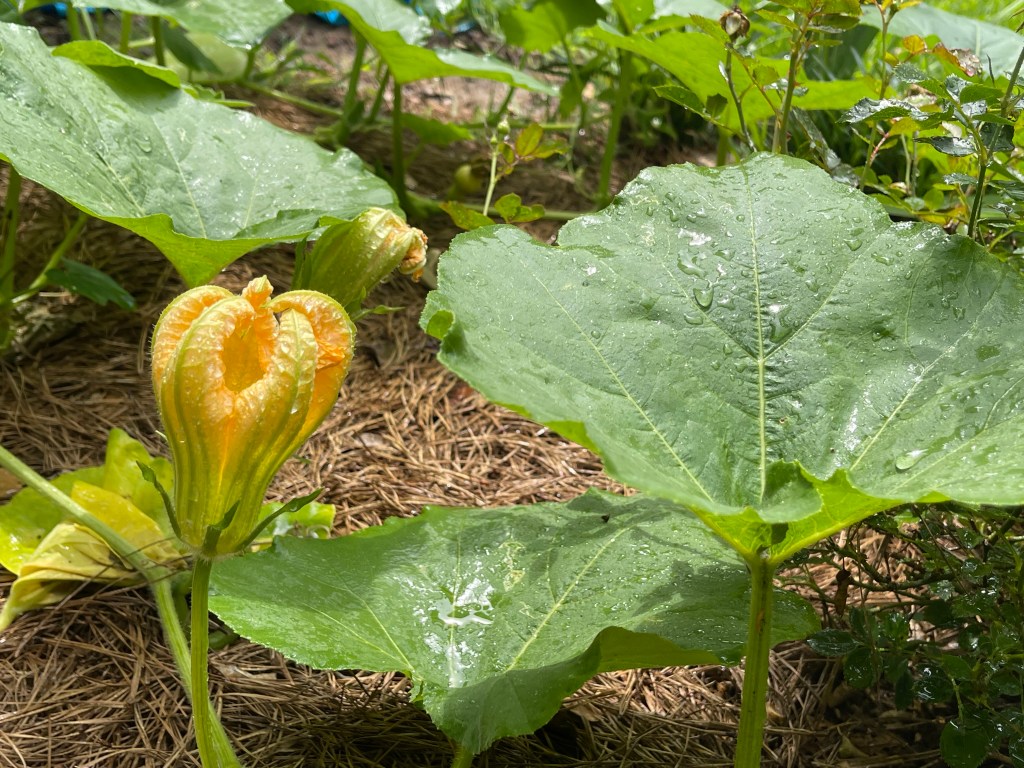
This past May, I bought a special oversized planter and dreamed of harvesting fresh squash from our backyard this summer. I filled the container with a blend of organic soil and carefully placed squash seedlings and a sprinkling of fertilizer into the perfectly balanced dirt. I watered those plants daily when we didn’t get rain and excitedly watched my little squash-lets develop and sprout their signature orange-yellow blossoms. I checked regularly for the beginnings of an actual squash after the blossoms faded, but I’m still waiting (it has been more than two months…)
So, when my friend Lisa Waxman gleefully sent me photos of the beautiful butternut squash that magically grew out of her backyard compost pile, I felt cheated!
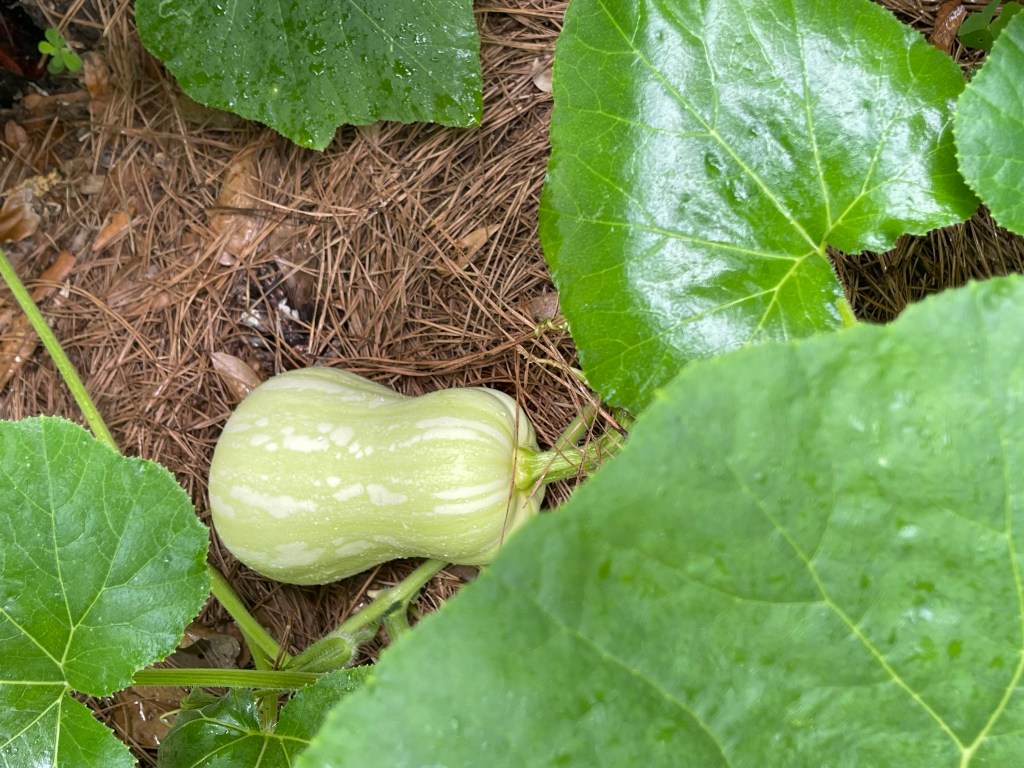
Lisa wasn’t taunting me – she didn’t even know I was trying to grow squash. She had just read my blog post on composting and thought I would appreciate her volunteer veggies. And I did appreciate (and envy) her spontaneous, overachieving produce. But I was also perplexed. I thought I had cultivated an ideal environment for my squash to flourish and feed my family. The only thing Lisa did was toss scraps from last year’s squash into a pile in the backyard and leave them to rot.
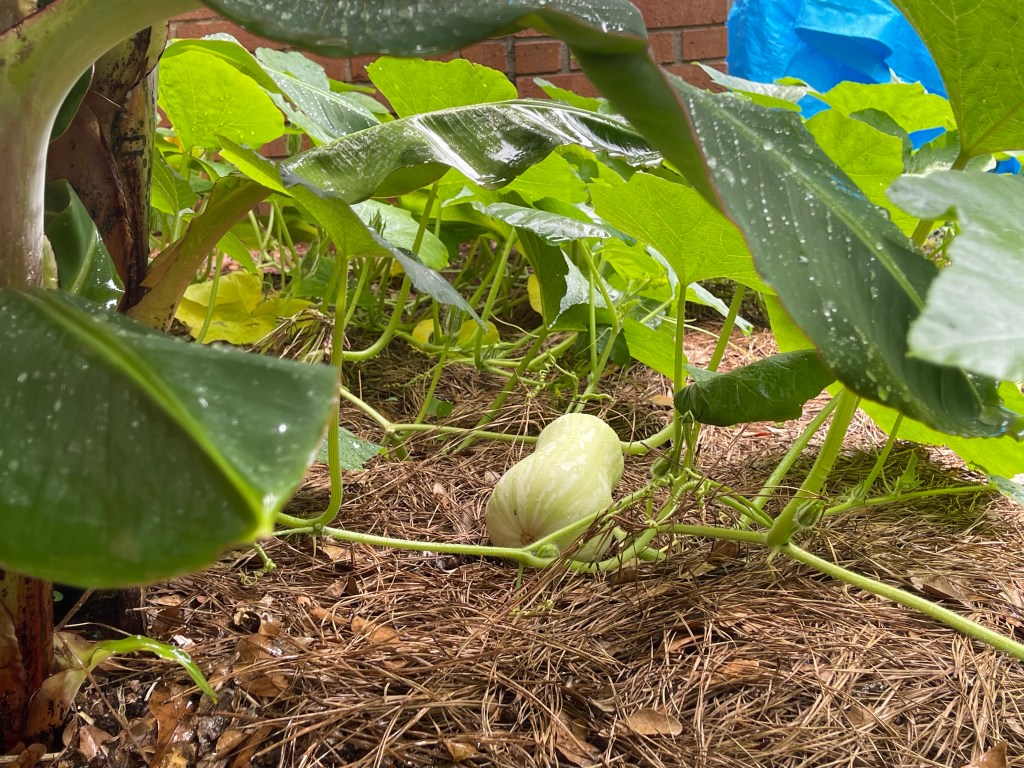
How can that be? The purposely purchased, carefully watered and fertilized growth environment I created for my little squash seedlings was being outperformed by a random pile of decaying food waste in Lisa’s backyard?
What was I missing? Was the environment I had cultivated too sterile to produce fruit? What does a compost pile offer that my organic soil and fertilizer lack?
I’ve got my own personal compost pile full of screwups, hurts and disappointments I’d like to toss behind me and forget about. I’ve spent decades feeling ashamed of mistakes I’ve made, embarrassed about unrealized dreams, and afraid to acknowledge deep hurts that have crushed my spirit. Wanting to project a positive public persona, I would rarely share the hard stuff I’ve been through – and kept my focus on the upbeat and the present. It was too scary to let my guard down and risk being rejected or judged by other people whose approval I craved.
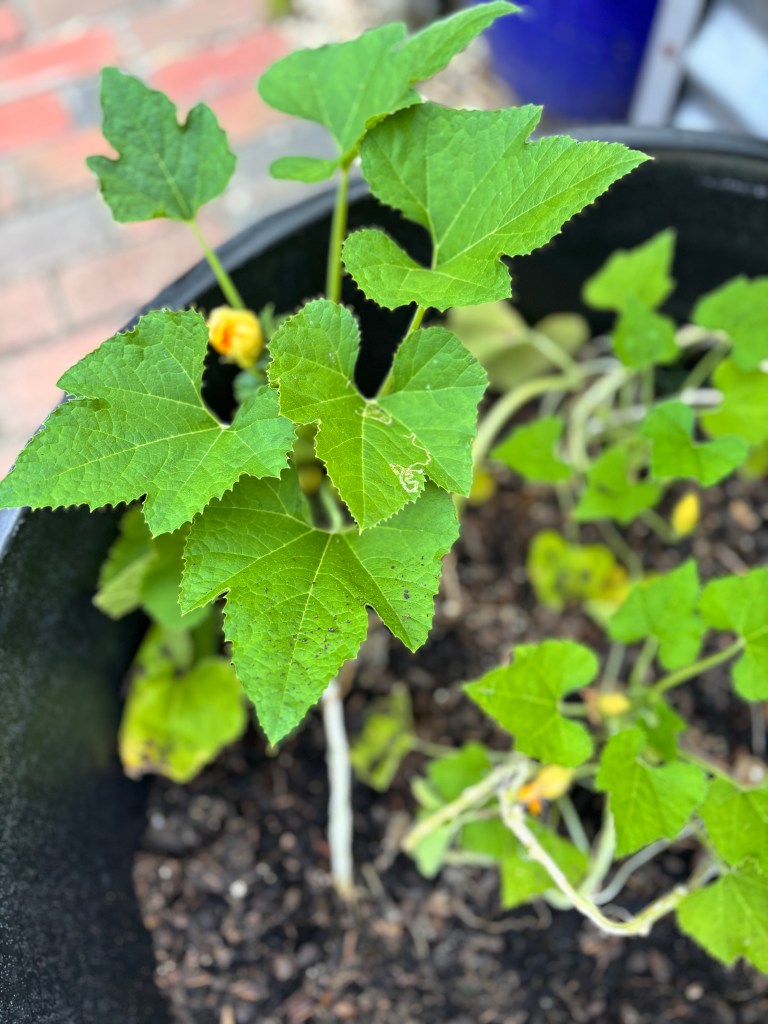
Like the special container I purchased for my squash plants with the orchestrated mix of soil and fertilizer, I tried to curate my personal story by focusing on the highlights and glossing over the hard times. But also like my non-producing squash plants, that tactic wasn’t very fruitful when it came to building lasting, authentic relationships. I knew lots of people I could call “friends” but I often felt that none of them really knew me. Because I didn’t let them.
Maybe it’s because I am past the midpoint of my life and I feel less afraid of being judged by other people – or maybe I’m just a slow learner, but I am finally finding the courage to dig into my personal compost pile and risk the consequences of sharing the regrets and hurts of my past.
For us humans, our compost is important context. Our past (the good stuff and the bad stuff) informs our present and our future. And when we can embrace that concept honestly, we are more likely to produce healthy fruit – or at least healthy relationships.
I’m sure some people will think less of me when they learn about my failed first marriage or the eating disorder I struggled with throughout high school and college. But in most instances when I have let my guard down and allowed others to see the stuff that’s been buried in my compost heap, the result has been deeper friendships, more honest conversations, tears of relief and a sense that everything can have a useful purpose in this life. The good, the bad and the rotten.
Just like my non-producing squash plant will probably never feed anyone, the carefully curated version of my life makes an interesting story, but it stops short of the vulnerable honesty that forms the foundation of a true friendship.
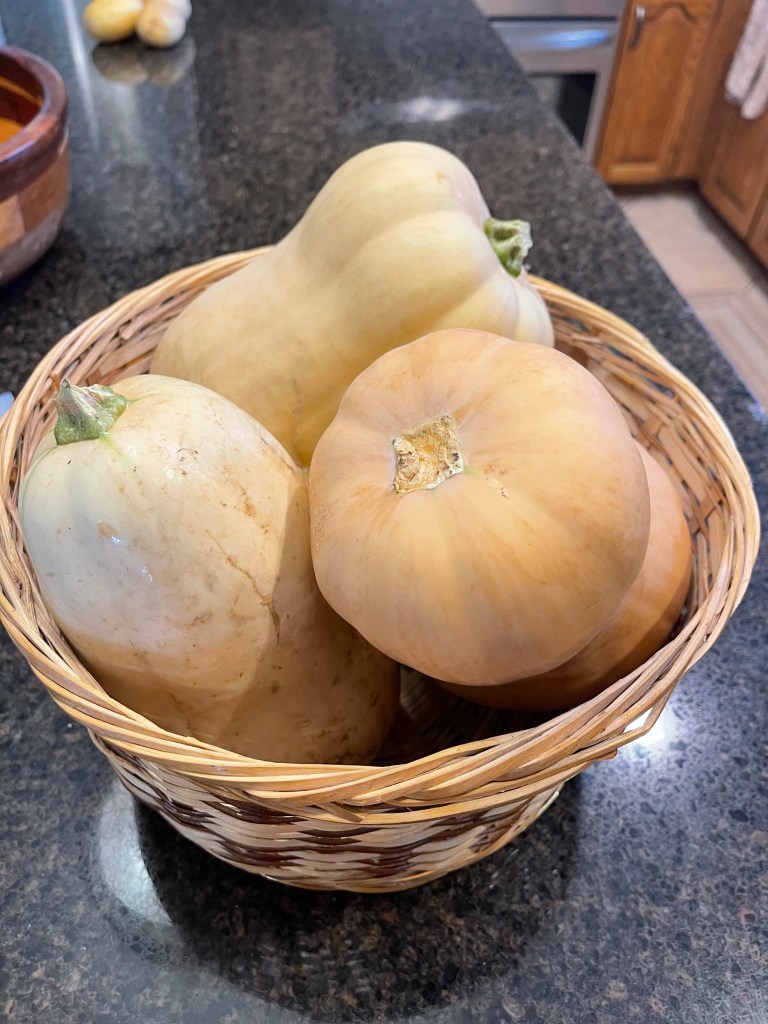
And if I play my cards right, maybe Lisa will let me taste the delicious dish I know she will create with her bonus squash!
“A man of many companions may come to ruin, but there is a friend who sticks closer than a brother.” (Proverbs 18:24)


 Glean Daily
Please share your own gleanings!