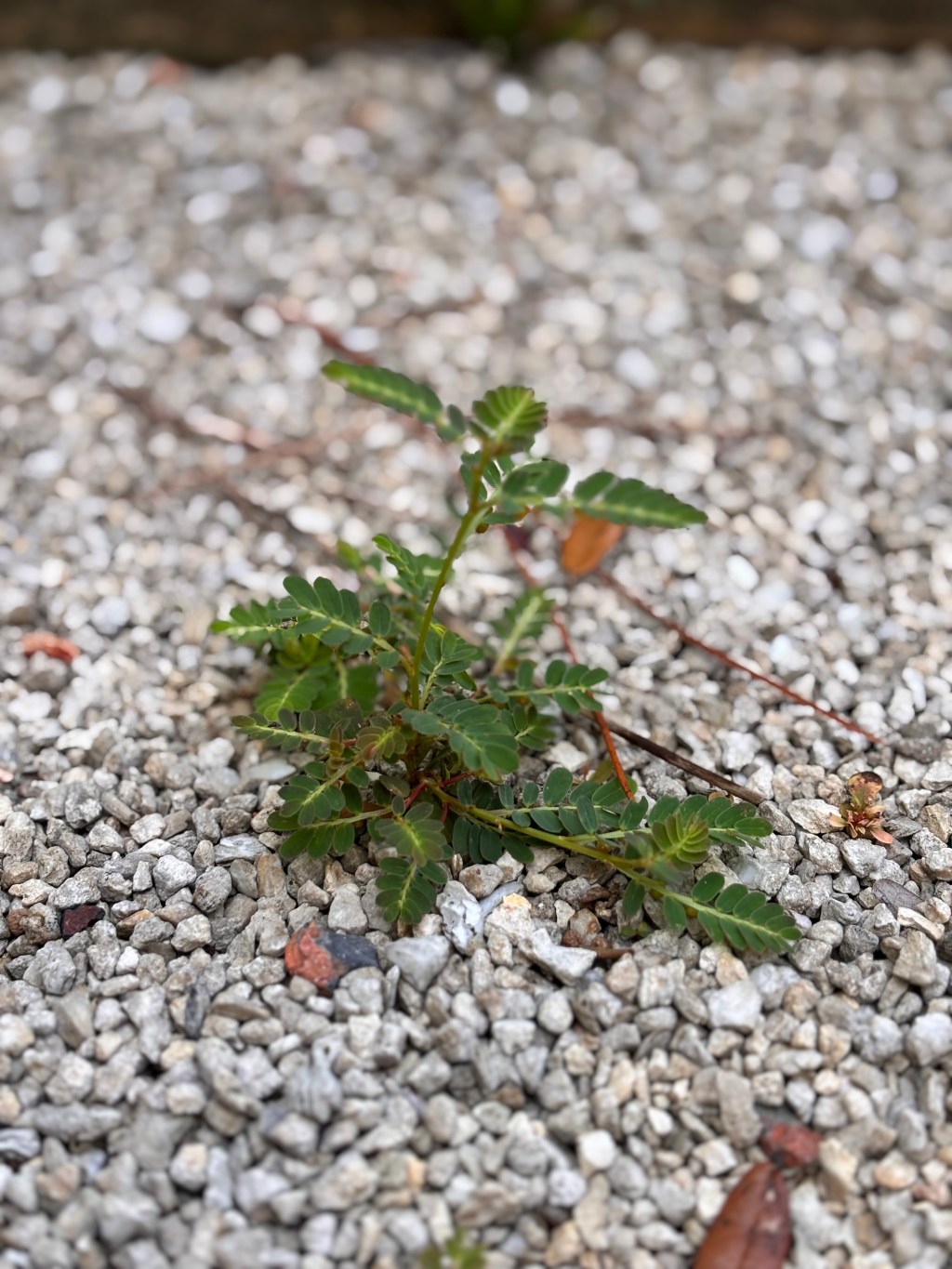
I don’t plant them, I don’t water them, and I don’t want them. But I ALWAYS have weeds in my backyard. Weeds thrive in drought conditions, and they thrive after heavy rains. They pop out from under rocks, and they snake between the bricks in our patio. And every few years, a new variant shows up I’ve never seen before.

It’s an interesting irony – gardeners evaluate their success by the size, color and health of the living things they can cultivate in their patch of the earth. Yet they apply an entirely different metric to their ability to reduce – and ultimately eliminate – an entire group of other living things that grow (uncultivated) from the same plots of dirt.
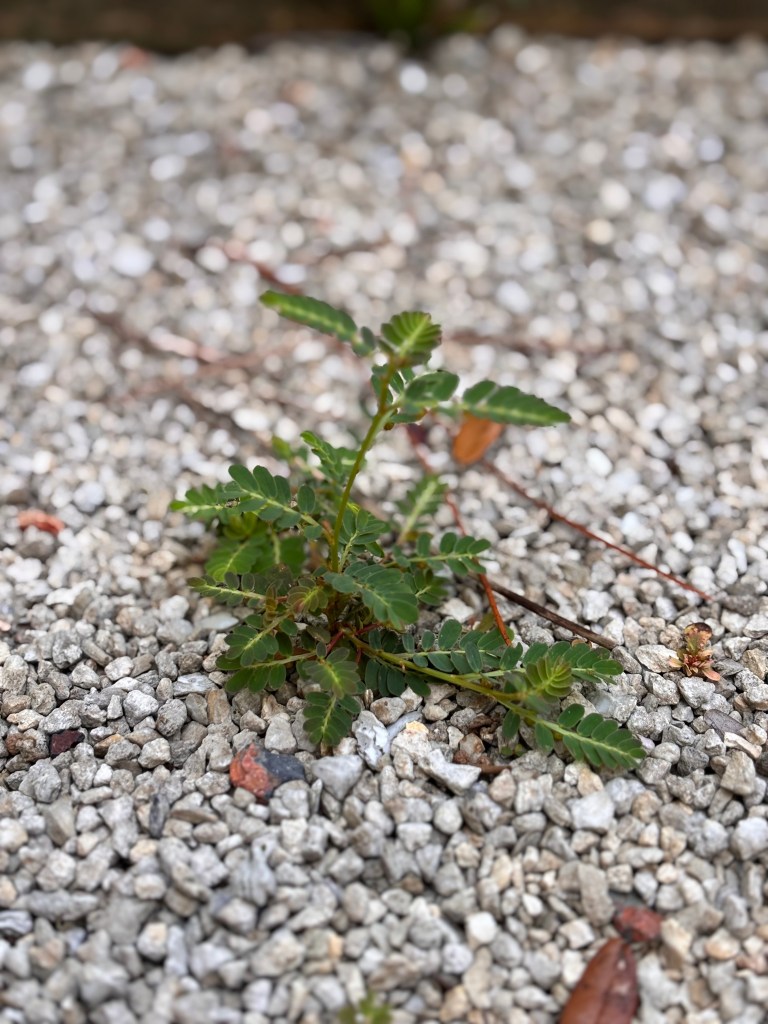
What makes a weed an unwanted specimen? And what makes other plants valuable garden commodities? Why did God even create weeds if all we do is try to get rid of them, so they don’t choke out the plants we need and want?
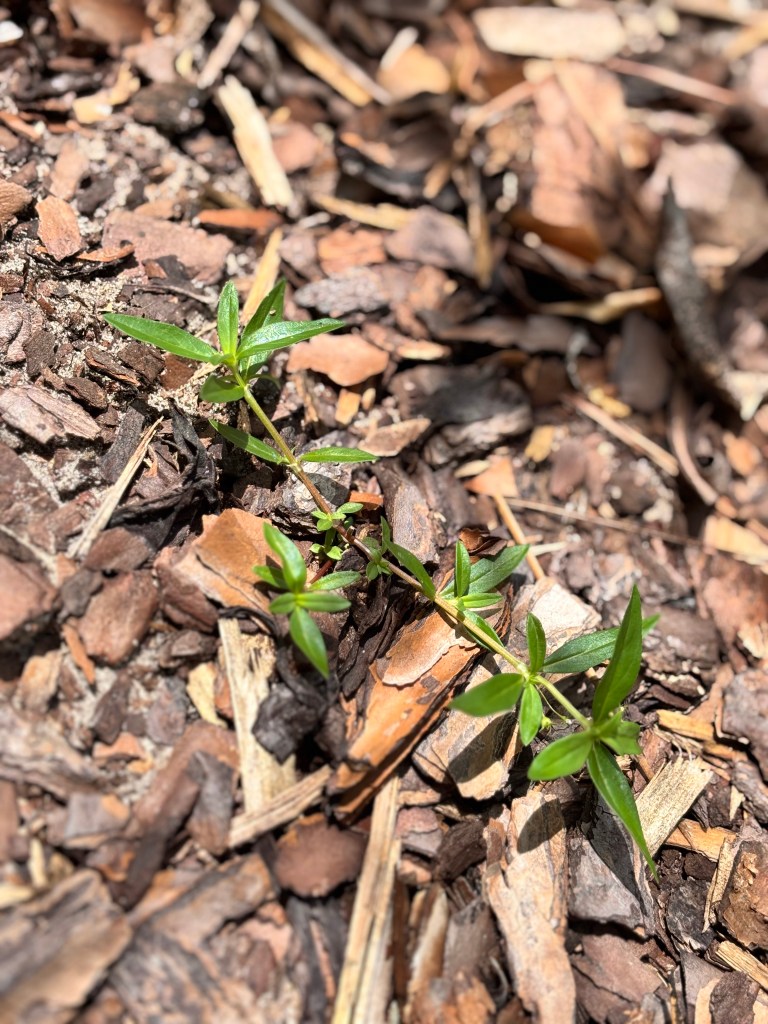
I don’t have a scientific answer to the “why do weeds exist” question, so I will put it in the bucket of Great Mysteries of Outdoor Life, along with natural disasters, fire ants and chiggers. But my personal explanation is that God created weeds to serve as an ever-present metaphor for those invasive negative impulses in our own lives that contaminate our thoughts, conversations and attitudes – and choke out the good that wants to grow in all of us.
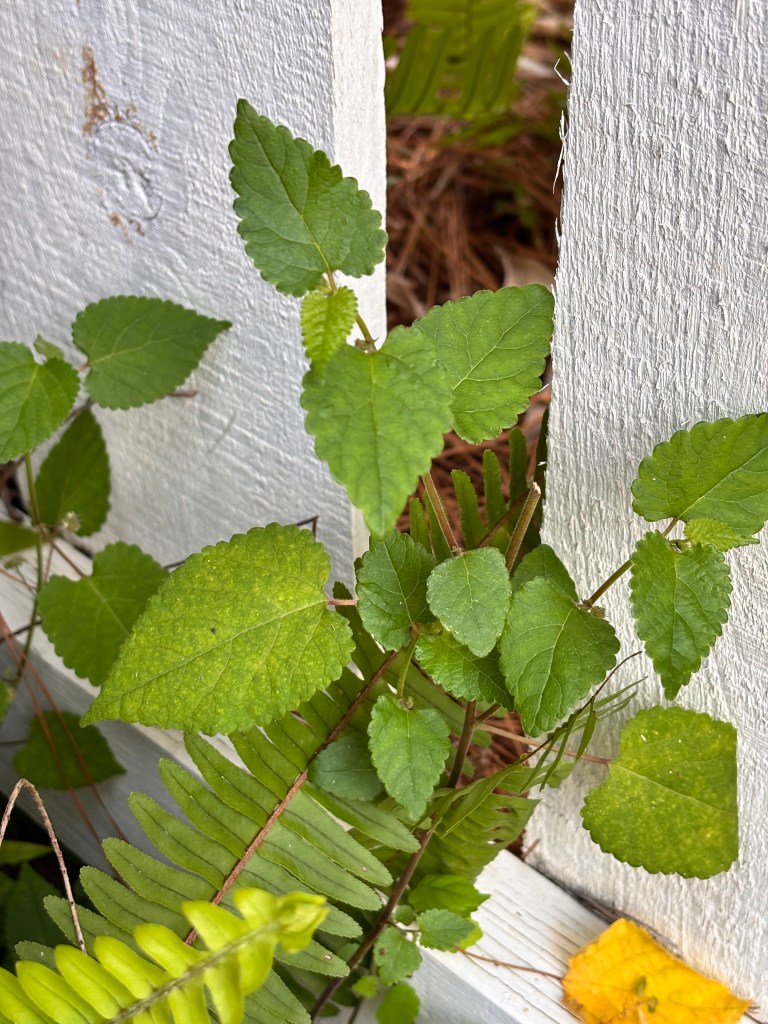
I struggle with the weeds in my life regularly – no matter how many times I think I have pulled them up by the roots. Like the judgy attitude I can take with people whose political views are different than mine. Or the guilty satisfaction I experience when I hear a gossipy story about another person (whose accomplishments and beauty I happen to resent). Or the quickness with which I condemn someone else’s actions without knowing the facts, or my refusal to forgive certain people for their past indiscretions – even though it’s been more than 10 years and I have probably done far worse things myself!
Like weeds, those impulses eat away at my character, stunt my growth and inhibit my ability to forgive, to love and to believe in other people. Left unchecked, the weeds become hardwired biases and prejudices I’m not even aware of.
I had a weedy encounter with someone this past week. He is a retired army veteran and current FBI agent. His decades of experience in the military and law enforcement have solidified his opinions about human nature, criminogenic tendencies, and the effectiveness of social programs designed to reduce crime and community violence. He comes by those positions honestly, given his personal and professional experiences.
We were discussing a topic that he has a lot more experience with and knowledge of than me – but that didn’t stop me from trying to convince him my opinion was right and his was wrong. I thought I could change his mind and convince him that a new initiative I was involved with could be an effective solution to a complex issue that has baffled law enforcement and local government for decades.
He made many valid points to support his position based on his professional experience – and I tried to counter with my own beliefs about the life-changing impact of evidence-based social programs. It was like the love child of Don Quixote and Pollyanna trying to win over the Grim Reaper. What was I thinking?
I came away from the discussion resenting his opinions, convinced he was just a narrow-minded cynic. I’m sure he thought I was a naïve idealist, with no business trying to play in his sandbox.
We had both let weeds get in the way of a healthy conversation. We let our biases prevent us from hearing each other’s perspective with an open mind. Determined to prove our position was the right one, we talked right past each other and ended the conversation in a self-righteous face-off. Nobody won but the weeds: pride, self-righteousness, judgmentalism, cynicism and close-mindedness.
Why didn’t I use that conversation as a learning opportunity to broaden my understanding of a complex and thorny social issue?
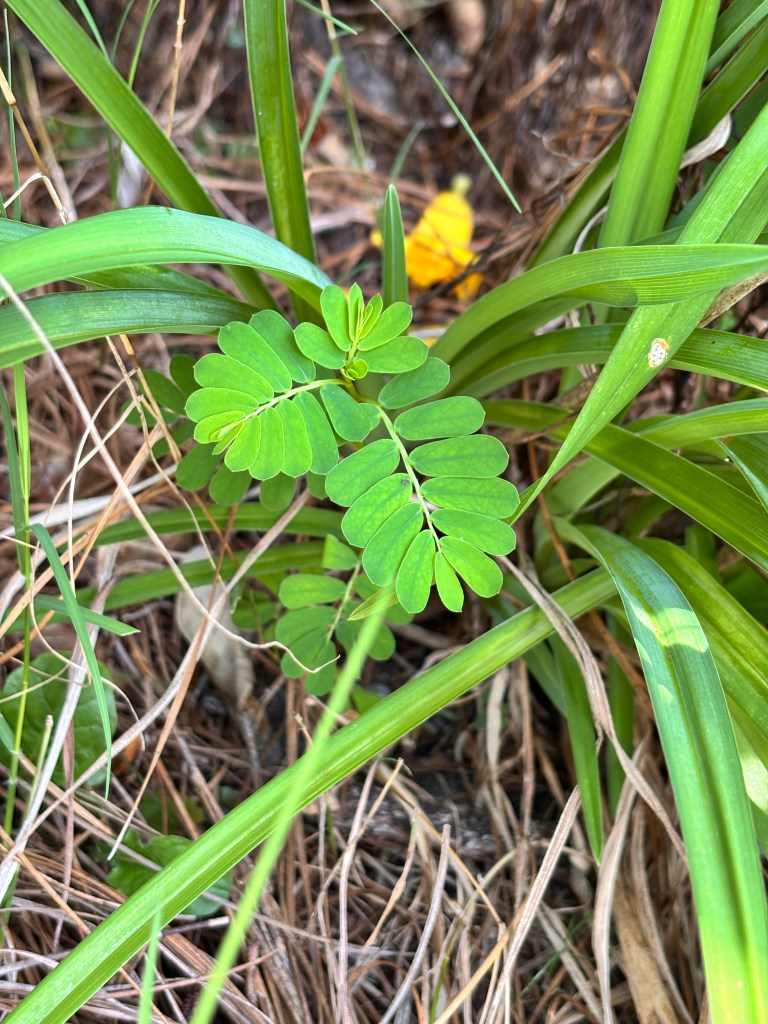
The toxic weeds in our backyards and our lives really do show up everywhere, all the time – and they can choke out the good in us if we don’t keep them from spreading. I know I can never totally eliminate weeds (and yes, we have tried chemicals, and they are only partially effective) but I hope I never stop trying.
And if someone knows why God created weeds in the first place, please let me know!

Why do you look at the speck of sawdust in your brother’s eye and pay no attention to the plank in your own eye? (Matthew 7:3)


 Glean Daily
Leave a reply to Jaye Ann Terry Cancel reply