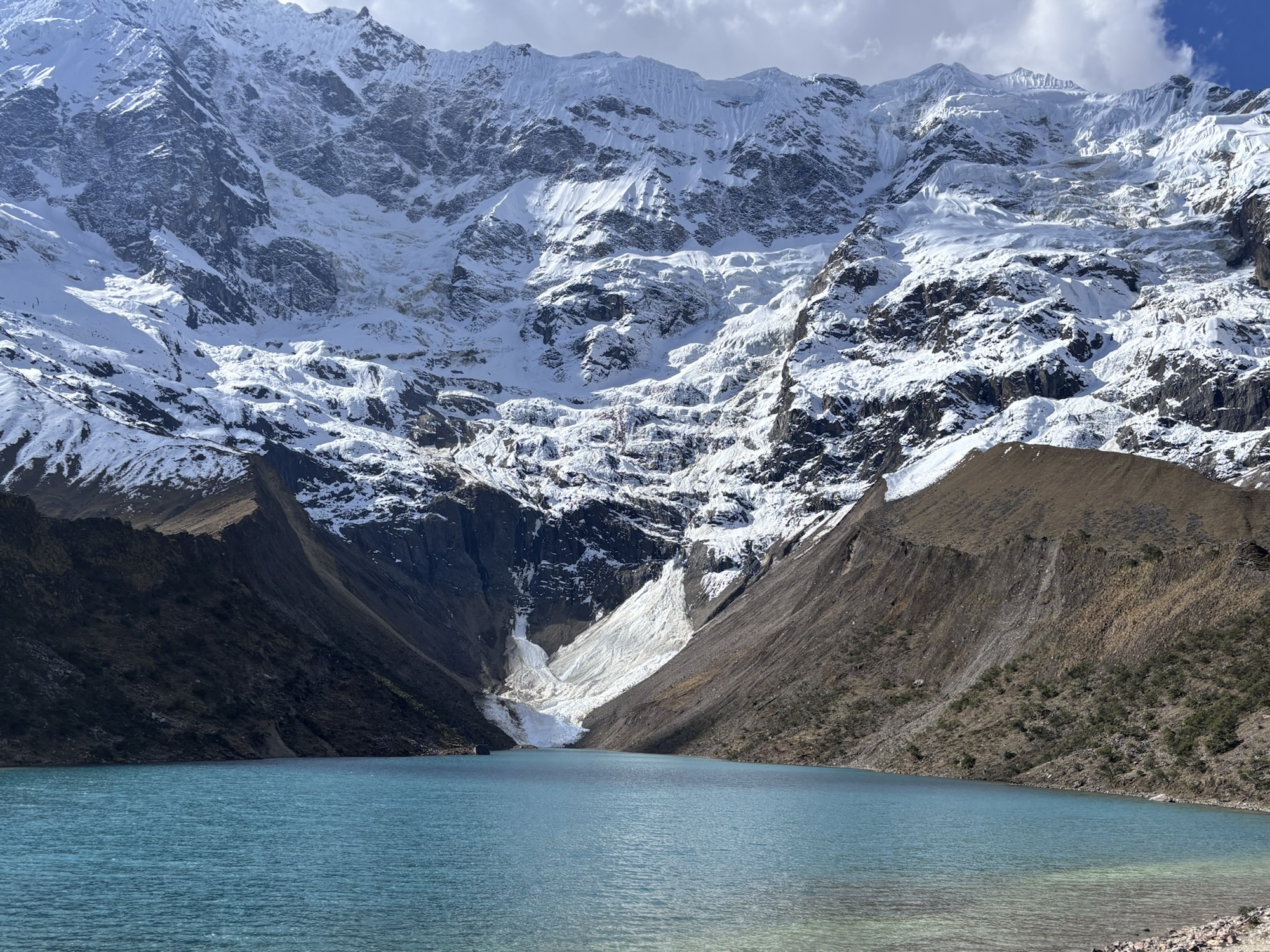
I recently returned from a week-long trekking adventure in the Andean mountains of Peru. This was an extraordinary experience I can’t adequately describe with words, so I am hoping the photos below will help convey the spectacular natural (and human) beauty we encountered every day – in every place we went.
Our adventures began in the city of Cusco, the former capital of the Incan Empire and the ”gateway to Machu Picchu” – our ultimate destination. Cusco was named a UNESCO (United Nations Education, Science and Cultural Organization) World Heritage Site in 1983 and that designation has provided resources and oversight to maintain the architectural and cultural integrity of the city’s many historic assets.
Exploring the ancient cultural sites of the “Sacred Valley” just outside Cusco felt like time travel, but instead of going back to a time of rudimentary tools and simple farming practices, we were blown away by superhuman feats of architectural complexity and agricultural engineering the indigenous Incan people achieved – without modern technology or mechanization. Centuries later, those structures and practices are still intact and functional – despite earthquakes, violent storms, landslides and human interference.


The brightly colored dyes are made from smashed insects, berries and leaves.
The dyed wool is soaked in salt water to make it colorfast.


Watching those beautiful women demonstrate their ancient craft and learning about the origins of those iconic colors, understanding how the wool is prepared and woven into complex designs was humbling. I was embarassed to think about how little thought I give to the clothes I buy – like the hiking pants I was wearing that seemed like such a good deal at Target (and they were, but I have no idea what they are made of or who made them!) Before this trip, the last item of wool clothing I purchased didn’t come from a llama or an alpaca. It came from website photo I clicked and it showed up on my front porch a few days later. That might be a more efficient way to acquire clothing, but it also probably explains why my closet is so full of things I don’t really need.

After the Alpaca farm, we visited the Salt Mines of Maras (Marasal), which date back to pre-Incan times. Consisting of more than 4,500 shallow saltwater pools that cascade down the side of a mountain, the mines have been in operation for more than 500 years. When the water in the pools evaporates, local families scrape and collect the crysallized salt, perpetuating a centuries-old practice.


“He waters the mountains from his upper chambers;
the land is satisfied by the fruit of his work.
He makes grass grow for cattle,
and plants for people to cultivate –
bringing forth food from the earth:
wine that gladdens human hearts,
oil to make their faces shine,
and bread that sustains their hearts.”
Psalm 104:15-15


Leave a Reply